Nosebleeds and How to Deal With Them
By cepat sehat|4 Mei 2024|Kesehatan
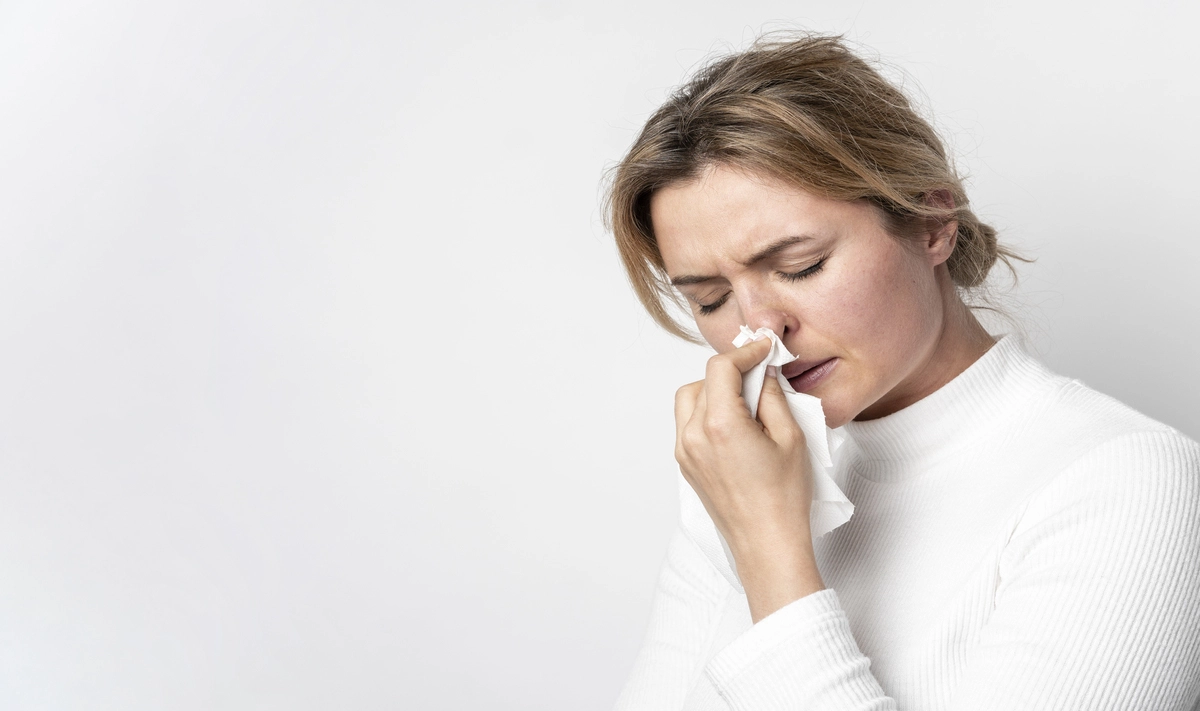
Maybe some of us have experienced spontaneous nosebleeds or seen family/relatives/friends suddenly have blood flowing out of their nostrils. It could be that this condition makes many people worried, especially if nosebleeds occur in children.
Nosebleeds, also known as epistaxis, are bleeding that originates from the nasal cavity. Nosebleeds can occur in one nostril, or both. Epistaxis is not a disease, but rather an indication of an abnormality and generally most nosebleeds can stop on their own. But there are also nosebleeds that require further medical treatment or action. The severity of a nosebleed is determined by the source of bleeding, the amount of bleeding, the duration of bleeding and the cause of bleeding.
The location of epistaxis can be divided into 2, namely:
A. Anterior Epistaxis
This is epistaxis that is often found in children and generally stops on its own. Bleeding in this location originates from the Kiesselbach plexus, a place where the internal and external carotid arteries join together. The mucous membrane is thin and located in the front area of the nose, causing the plexus to be easily exposed to dry air or trauma. Causes of anterior nosebleeds include picking your nose too deeply/hard, blowing your nose very hard, nasal congestion which is usually caused by infections (such as colds and flu), sinusitis, fever/allergies, dry air (which causes the nasal membranes to become dry), the inside of the nose dryness becomes more susceptible to bleeding and infection), excessive use of nasal decongestants, or due to minor injury to the nose.
B. Posterior epistaxis
Originates from the sphenopalatine artery and anterior ethmoid artery. Posterior nosebleeds are less common than anterior nosebleeds, and usually occur more frequently in adults. This type of nosebleed also usually occurs more seriously and requires serious treatment. The causes of posterior nosebleeds are usually trauma to the nose (which can be caused by a blow to the head or a fall, or a broken nose), rhinoplasty, tumors in the nasal cavity, atherosclerosis, drugs that easily cause bleeding such as aspirin and anticoagulants, blood clotting disorders, hereditary hemorrhagic telangiectasia (HHT), leukemia, and high blood pressure.
Causes of Nosebleeds
Below are several causes of epistaxis which can be divided into several factors:
a. Local causal factors
Such as trauma (impact), inflammation, tumors in the nose, blood vessel abnormalities and anatomical abnormalities of the nose (for example, a deviated septum, namely the dividing wall between the two holes is bent), use of a nasal cannula for a long time.
b. Environmental factor
History of allergies, environmental dryness (usually occurs in winter).
c. Systemic Factors
Habit of drinking alcohol, suffering from hypertension, leukemia, vascular malformations, coagulopathy (hemophilia, von Willebrand's disease).
d. Drug factors
Currently taking NSAIDs (Ibuprofen, naproxen, aspirin), anticoagulants (warfarin), platelet aggregation inhibitors (clopidogrel), topical nasal steroid sprays, alternative supplement drugs (gingko, ginseng, vitamin E), illegal drugs such as cocaine.
Usually the doctor will recommend that the medication used be stopped temporarily until the symptoms of epistaxis are resolved and do not recur or provide alternative therapy by changing the type/kind of medication.
How to Treat Nosebleeds
The main principles in treating nosebleeds are stopping bleeding, preventing complications, and preventing recurrence of nosebleeds. The following are some initial actions that can be taken if a nosebleed occurs:
- Sit up straight with your head down so that blood does not enter your throat.
- Do not lie down so that the pressure on the blood vessels in the nose can be reduced so that the bleeding can stop immediately
- Use your thumb and index finger to squeeze the front of your nose for 10 minutes to stop the bleeding.
- Compress the bridge of the nose with a cold compress to slow bleeding.
- After the nosebleed stops, it is recommended to rest and not blow your nose too hard, with the aim of avoiding re-bleeding.
- Avoid doing strenuous activities for at least 24 hours
- Avoid picking your nose because it can cause new wounds that bleed easily, and avoid exposure to smoke which can irritate the nose.
- Maintain humidity in the surrounding air.
If the bleeding does not stop, it is recommended to immediately go to a doctor or emergency room for further treatment.
If the symptoms of nosebleeds or epistaxis do not improve after taking self-care measures at home or frequently recur within weeks to more than 1 month, immediately consult your doctor at a health service facility or via telemedicine.
Related Articles

Popular Blogs
Cancer In Children
21 Maret 2024
Read More
Causes of Back Pain and Tips to Overcome It
14 Maret 2024
Read More

Vertigo and How To Overcome It
30 Maret 2024
Read More

Keeping KPPS Officers Healthy on Duty
2 Mei 2024
Read More

Let's Prevent Stunting
18 Maret 2024
Read More
Our Doctors

Clinic Cepat Sehat
dr. Cahyadi Surya, MPH
General Practitioner

Clinic Cepat Sehat
dr. Irvan Rizki Fitri, MKK
General Practitioner

Clinic Cepat Sehat
dr. Yahya Albar
General Practitioner

Clinic Cepat Sehat
dr. Ni Wayan Mega Rajuni
General Practitioner

Clinic Cepat Sehat
dr. Adrian Prasetio
Psychiatrist

Clinic Cepat Sehat
dr Lorenzo Alexander Pradhana
General Practitioner

Clinic Cepat Sehat
dr. Ida Bagus Ngurah Dwipayana Manuaba
Psychiatrist

Clinic Cepat Sehat
dr. Anak Agung Gede Wahyu Prabawa
General Practitioner

Clinic Cepat Sehat
dr. I Gusti Ngurah Rico Santosa
General Practitioner

Consult With Our Doctor
Find Doctor