Dealing With Kidney Stones
By cepat sehat|8 Mei 2024|Penyakit
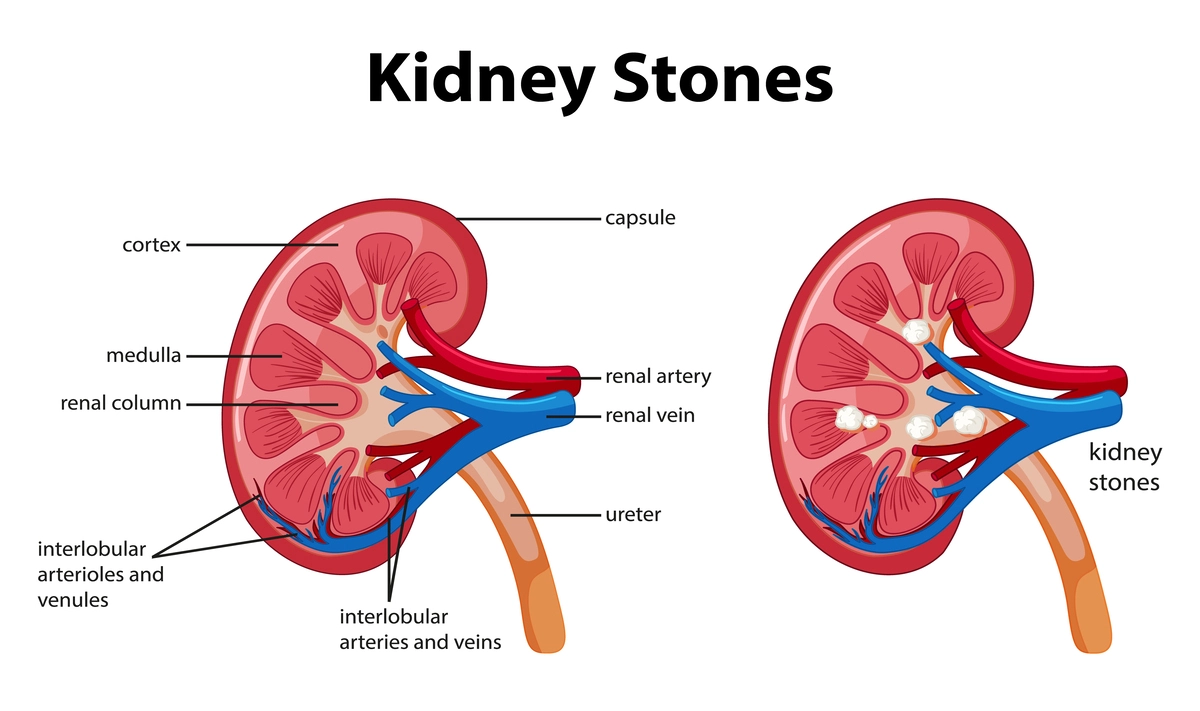
Kidney stones or medically called Nephrolithiasis or kidney calculus or nephroliths are hard, gravel-like materials that form in one or both kidneys due to high levels of certain minerals (salts and minerals) in the urine. Kidney stones rarely cause permanent damage if treated promptly. The size and shape of kidney stones vary, they can be grains of sand or the size of peas. But there are also large stones that resemble deer antlers, called staghorn stones.
This health problem can appear along the urinary tract, because waste in the blood forms crystals and accumulates in the kidneys. Chemicals that can form stones and block kidney channels are oxalic acid and calcium. Over time these two substances can become harder until they are like stone. After solidifying and forming, stones can remain in the kidney or travel to the urinary tract. Small stones can pass through the urine without causing pain
However, larger stones have the potential to cause pain and disrupt the flow of urine in the kidneys, ureters, bladder or urethra. Kidney stones that move, especially those that are large and cause pain, must immediately receive treatment from a doctor.
TYPES OF KIDNEY STONES
Kidney stones form because dissolved substances crystallize from the urine to form stones. There are 4 types of kidney stones, namely:
A. Calcium stones.
Most kidney stones are calcium stones and are usually in the form of calcium oxalate. Oxalate is a substance made every day by the liver or absorbed from foods such as certain fruits and vegetables, nuts and chocolate which have a high oxalate content. Dietary factors, high doses of vitamin D, intestinal bypass surgery and some metabolic disorders can increase the concentration of calcium or oxalate in the urine.
B. Struvite stones.
Which is formed in response to urinary tract infections. These stones can grow quickly and become very large, and sometimes cause few symptoms.
C. Uric acid stones.
It usually forms in people who lose too much fluid due to chronic diarrhea or malabsorption, people who eat high-protein foods, and people with diabetes or metabolic syndrome. Certain genetic factors can also increase the risk of uric acid stones.
D. Cystine stones. The stones form in people with a hereditary disorder called cystinuria that causes the kidneys to fail to reabsorb cystine, lysine, ornithine and arginine.
KIDNEY STONE RISK FACTORS
Kidney stones can happen to anyone, and the following are factors that can increase a person's risk of suffering from kidney stones, namely:
- Men more often than women
- Urinary tract blockage
- Recurrent UTIs
- Not getting enough fluids in the body or experiencing dehydration
- Eating foods that are high in protein, sodium (salt) or sugar. Too much salt in the diet will increase the amount of calcium that the kidneys have to filter and will significantly increase the risk of kidney stones forming.
- Have a family history of kidney stones
- Digestive problems or a history of gastrointestinal surgery can cause changes in the digestive process that affect the absorption of calcium and water, thereby increasing the amount of stone-forming substances in the urine.
- Chronic or prolonged intestinal inflammation
- Obesity or excess body weight
- Hyperparathyroidism, a condition in which the parathyroid glands release too much parathyroid hormone, causing excess calcium in the blood
- Taking excessive amounts of certain medications or supplements such as migraine medication, food supplements or vitamin C.
KIDNEY STONE SYMPTOMS
Kidney stones usually do not cause symptoms until the stone moves into the kidney or into one of the ureters. If a kidney stone gets stuck in the ureter it can block the flow of urine and cause the kidney to swell. And the following symptoms will appear:
- Severe, sharp pain in the side and back, under the ribs
- Pain that radiates to the lower abdomen and groin
- Pain that comes in waves and fluctuates in intensity
- Pain or burning sensation when urinating
- Urine is pink, red or brown
- Urine is cloudy or foul-smelling
- A persistent need to urinate, urinating more frequently than usual, or urinating in small amounts
- Nausea and vomiting
- Fever and chills if there is an infection
- The pain caused by kidney stones can change, for example moving to another location or increasing in intensity as the stone moves through the urinary tract.
KIDNEY STONE PREVENTION
The best way to prevent the formation of kidney stones is to reduce the risk of kidney stones through the following steps:
- Drink often and lots of water, namely 2 to 3 liters every day, especially during hot weather. It is best to consult a doctor if you have to take calcium and vitamin supplements.
- Reduce foods that cause high uric acid.
- Lose weight or maintain ideal body weight.
- Don't overdo it in consuming foods high in calcium in the form of cheese, yogurt or cow's milk.
- Reduce salt intake.
- If you experience symptoms that resemble those of kidney stones, immediately consult a doctor so that you can immediately determine whether you are suffering from kidney stones or not, so that they can be treated more quickly.
Related Articles

Popular Blogs

Getting To Know Headaches
3 April 2024
Read More

Get To Know Foods and Drinks That Trigger Cancer
19 April 2024
Read More

Recognizing Headaches
13 April 2024
Read More

Get To Know What Stroke Is
19 Maret 2024
Read More

Nosebleeds and How to Deal With Them
4 Mei 2024
Read More
Our Doctors

Clinic Cepat Sehat
dr. Cahyadi Surya, MPH
General Practitioner

Clinic Cepat Sehat
dr. Irvan Rizki Fitri, MKK
General Practitioner

Clinic Cepat Sehat
dr. Yahya Albar
General Practitioner

Clinic Cepat Sehat
dr. Ni Wayan Mega Rajuni
General Practitioner

Clinic Cepat Sehat
dr. Adrian Prasetio
Psychiatrist

Clinic Cepat Sehat
dr Lorenzo Alexander Pradhana
General Practitioner

Clinic Cepat Sehat
dr. Ida Bagus Ngurah Dwipayana Manuaba
Psychiatrist

Clinic Cepat Sehat
dr. Anak Agung Gede Wahyu Prabawa
General Practitioner

Clinic Cepat Sehat
dr. I Gusti Ngurah Rico Santosa
General Practitioner

Consult With Our Doctor
Find Doctor